

Concussion Treatment, Essendon
We offer comprehensive assessment using state-of-the-art technology in addition to in-depth clinical testing to assess and manage patients experiencing symptoms of concussion.
Don’t take chances with your brain health. If you have experienced a head injury and want to know what to do next then talk to us today.
Our Concussion Assessment Process
-
![]()
Outcome Measures
We use validated questionnaires to understand your symptoms, how they affect daily life, and how you are progressing over time. These help guide treatment and track recovery.
-
![]()
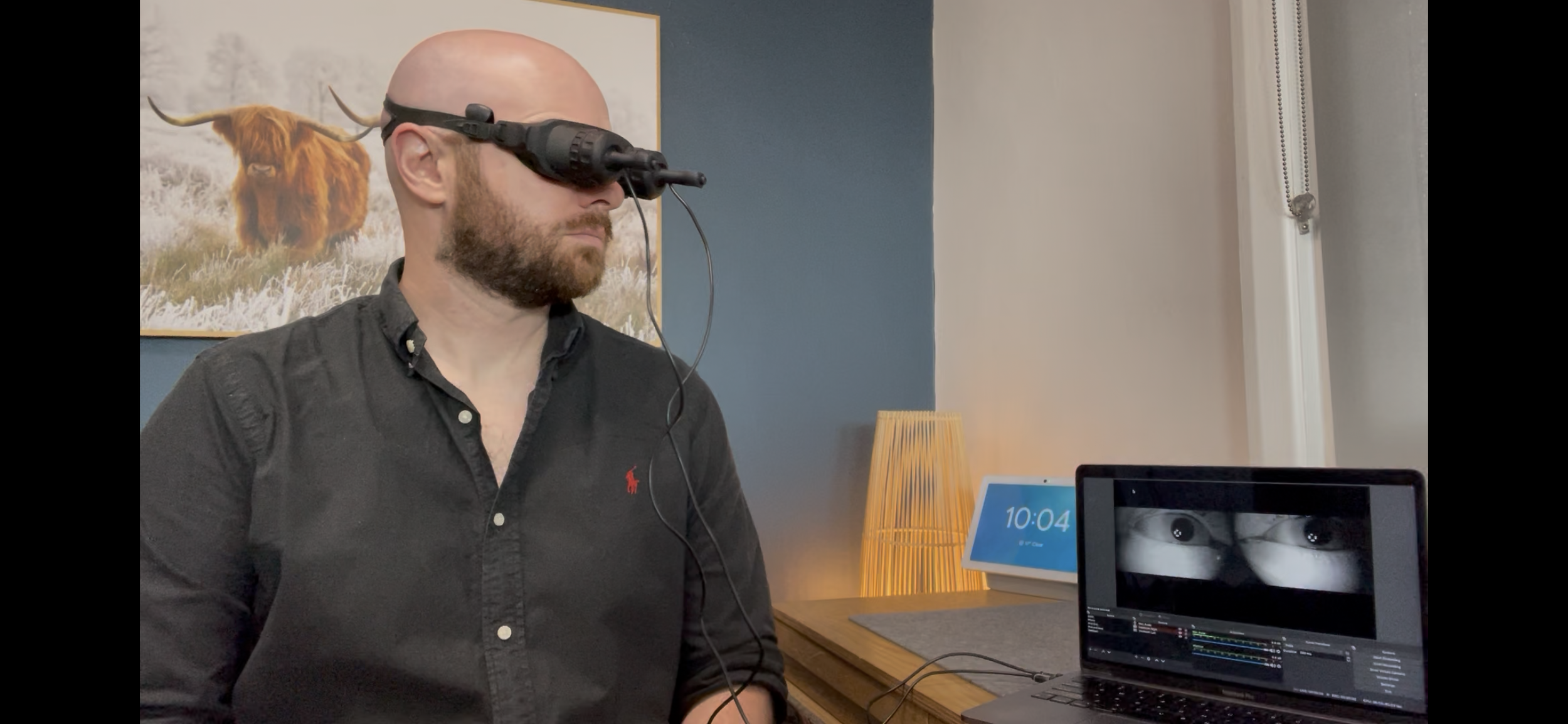
Video Oculography
Specialised goggles allow us to measure your eye movements in detail. This gives objective information about how well your brain is controlling eye motion after concussion.
-
![]()
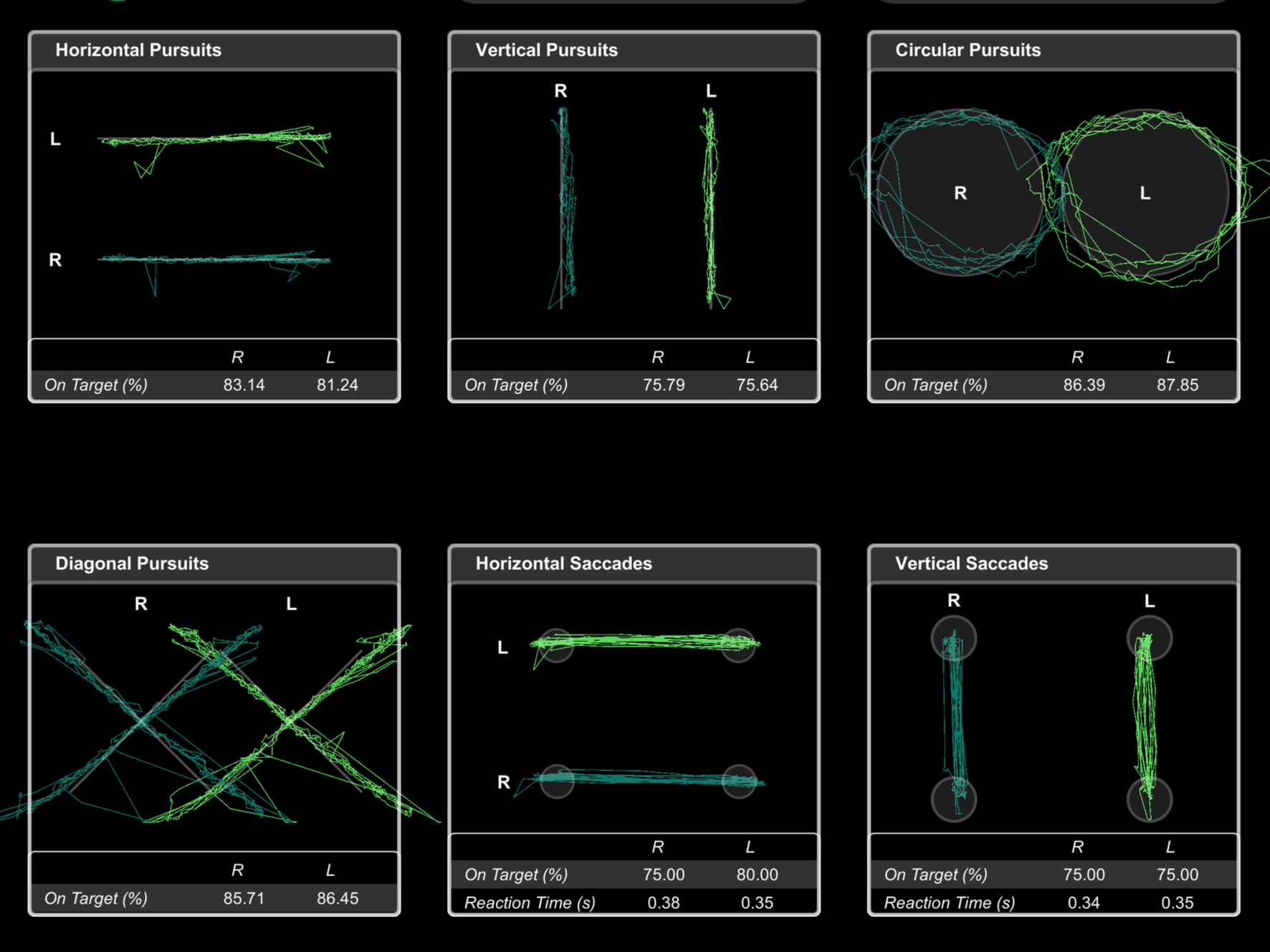
Computerised Oculomotor Testing
We assess how your eyes move, focus, and work together. Difficulties with eye control are common after concussion and can contribute to headaches, dizziness, and visual fatigue.
-
![]()
Computerised Balance Testing
Your balance and postural control are assessed in different positions and conditions. This helps identify vestibular or sensory issues that may be contributing to unsteadiness or dizziness.
-
![]()
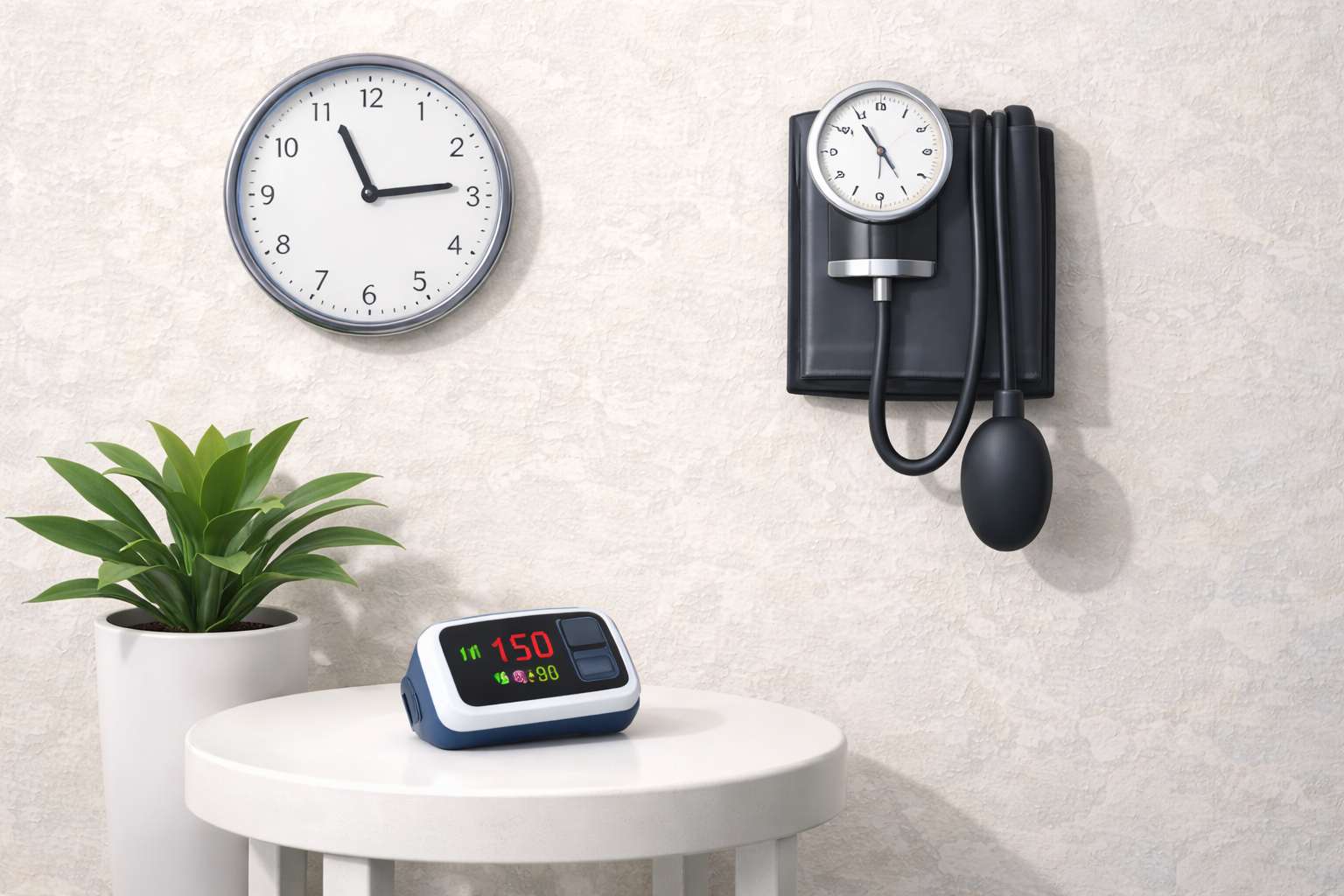
Orthostatic Tolerance Testing
We assess how your heart rate and symptoms respond to changes in posture, such as moving from lying to standing. This can identify concussion-related autonomic or blood-pressure regulation issues.
-
![]()
Neurocognitive Testing
We screen areas such as attention, memory, processing speed, and mental fatigue. This helps us understand how your thinking skills are functioning and guides return-to-work or study planning.
-
![]()
Cervical Spine Screening
Your neck is carefully assessed for movement, strength, and sensitivity. Neck dysfunction can closely mimic or worsen concussion symptoms and is an important part of a complete assessment.



What is a concussion?
What is a concussion?

“Sport-related concussion is a traumatic brain injury caused by a direct blow to the head, neck or body resulting in an impulsive force being transmitted to the brain. This initiates a neurotransmitter and metabolic cascade, with possible axonal injury, blood flow change and inflammation affecting the brain”. (Patricios et al, 2023).
The acute impact results in a change in the balance in the chemical environment through the brain and brainstem, decreased ability to process sensory stimuli, and alterations in the transmission capacity of nerve cells.
Concussion Symptoms

Symptoms vary from case to case, depending on factors such as previous head injury, medical conditions and general health status. Generally speaking, symptoms can include:
Headache
Fatigue or low energy
Alterations in memory, concentration and mood
Dizziness, nausea and balance issues
Sensitivity to bright lights, loud noises and/or strong smells.
In some cases, concussed individuals can develop Postural Orthostatic Tachycardia Syndome (POTS), a dysfunction of the part of the nervous controlling unconscious functions like heart rate, blood pressure and digestion.
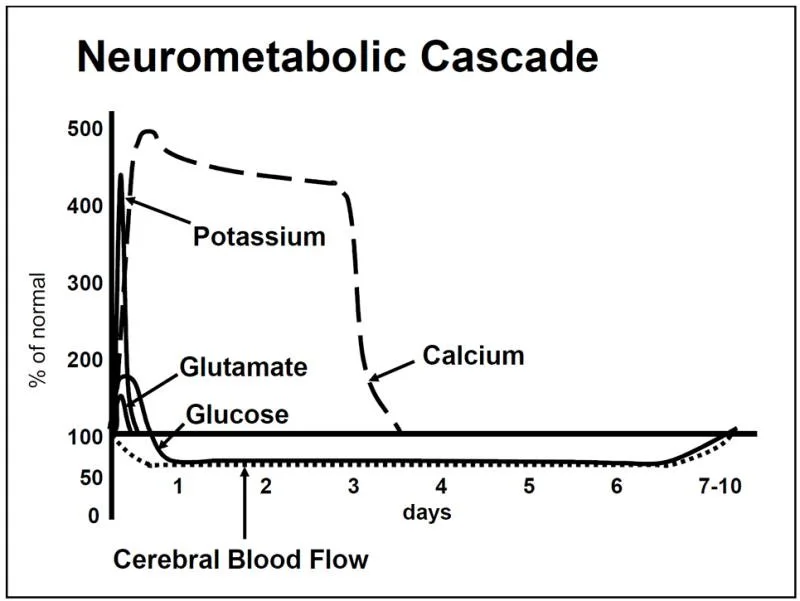
How long does it take for a concussion to heal?
While most concussions are expected to symptomatically resolve within 4 weeks, approximately 20-30% remain symptomatic for more than one month.
During the first 7-10 days following a concussion, your brain receives only about half the regular blood flow and fuel that it usually requires. It is extremely important during this time that you avoid further injury to the brain, which can lead to a phenomenon known as second impact syndrome.
Certain risk factors are known to prolong the recovery time for a concussion. These include delayed assessment or diagnosis, development of headache or depressive symptoms, loss of sleep, younger age, prior head injury, high level of acute symptoms, and females who are injured during the luteal phase of their menstrual cycle.

Get back to sport, safely
We know that after an injury people want to get back to their sports and hobbies as quickly as possible. Our rehab programs are designed to do just that, all the while monitoring your neurological performance to ensure you’re safe to do so.
While no two concussions are ever exactly the same, some general approaches to rehab may involve:
Breathing exercises to increase oxygenation and decrease neurological stress
Vestibular rehabilitation and/or balance exercises
Manual therapy to the neck, jaw and surrounding tissues
Dietary modification and/or vitamin supplementation
Exercises which challenge coordination and cognitive processes (dual-tasking)

What to do immediately after a concussion
If a concussion is suspected, the first priority is to stop activity immediately and remove the person from sport, work, or risk-based tasks.
Do not “push through” symptoms. Early management involves physical and cognitive rest for the first 24–48 hours, while avoiding complete inactivity or prolonged bed rest. Reduce (and if possible completely remove) screen time for the first 72 hours.
Red flags such as worsening headache, repeated vomiting, increasing confusion, severe neck pain, seizure activity, or deteriorating consciousness require urgent medical assessment. View the Concussion Recognition Tool 6 for more help identifying possible signs of concussion, including red flags.
Once serious injury has been ruled out, early assessment by an experienced allied health professional is recommended to evaluate symptoms, balance, vision, neck function, autonomic responses, and cognitive load tolerance. Early, guided management—rather than prolonged rest—has been shown to support recovery, reduce symptom persistence, and allow a safer, more structured return to work, study, and sport.
Frequently Asked Questions
-
Yes. Some people feel fine immediately after a concussion, but the full effects may take days to reveal themselves.
-
No two concussions are ever the same, and treatment is based on the examination findings of the individual. Common approaches include vestibular/balance rehab, neck and eye exercises, carefully structured return-to-sport and return-to-school programs, and advice on managing acute symptoms.
-
Most concussions do not show up on CT or MRI scans. Imaging is usually only required if there are red flags suggesting a more serious injury, such as repeated vomiting, worsening confusion, seizures, or severe neurological symptoms.
-
They are many and varied, but the big ones are history of previous head injury; younger age; female sex; history of mental health concerns, and loss of sleep
-
Concussion care is best delivered by healthcare professionals trained in concussion assessment and rehabilitation. Allied health practitioners play a key role in evaluating balance, vision, neck function, autonomic tolerance, and functional recovery. Concussion is an extremely niche and technical area of healthcare and should be delivered by thoroughly trained professionals.
-
In many cases, yes. However, being asymptomatic does not necessarily mean that you’ve made a full recovery. Many concussed individuals show deficits with balance, coordination, cognitive processes and mental health, particularly with repeated injury. We recommend that anyone who suspects they have suffered a concussion get a proper assessment by someone who can properly monitor their symptomatic and functional recovery.
-
We have undergone extensive training specifically in the assessment and management of concussive injuries. Our clinic is uniquely equipped with specialised diagnostic equipment to assess, treat and monitor concussions.
Book Online
Book Online
If you’re ready to get back to your best, use the form here to book online.
Want to chat on the phone first? You can reach us on 0448 576 174.
Visit Us
1 Woodland St, Essendon (opposite Strathmore train station)
Hours
Monday - Saturday.
By appointment only.
Phone
0448 576 174