

POTS/ Dysautonomia
Compassionate care for people living with an invisible illness
We know POTS
Postural Orthostatic Tachycardia Syndrome (POTS) is a form of dysautonomia characterised by an abnormal cardiovascular response to upright posture. People with POTS often experience symptoms when standing that improve when sitting or lying down, reflecting impaired autonomic regulation rather than a structural heart or inner-ear disorder.
Common symptoms include:
Light-headedness or presyncope when standing
Palpitations or awareness of heart rate
Fatigue and exercise intolerance
“Brain fog” or cognitive slowing
Nausea or gastrointestinal discomfort
Heat intolerance
Tremulousness or internal shakiness
Shortness of breath without clear respiratory cause
Our Approach

-
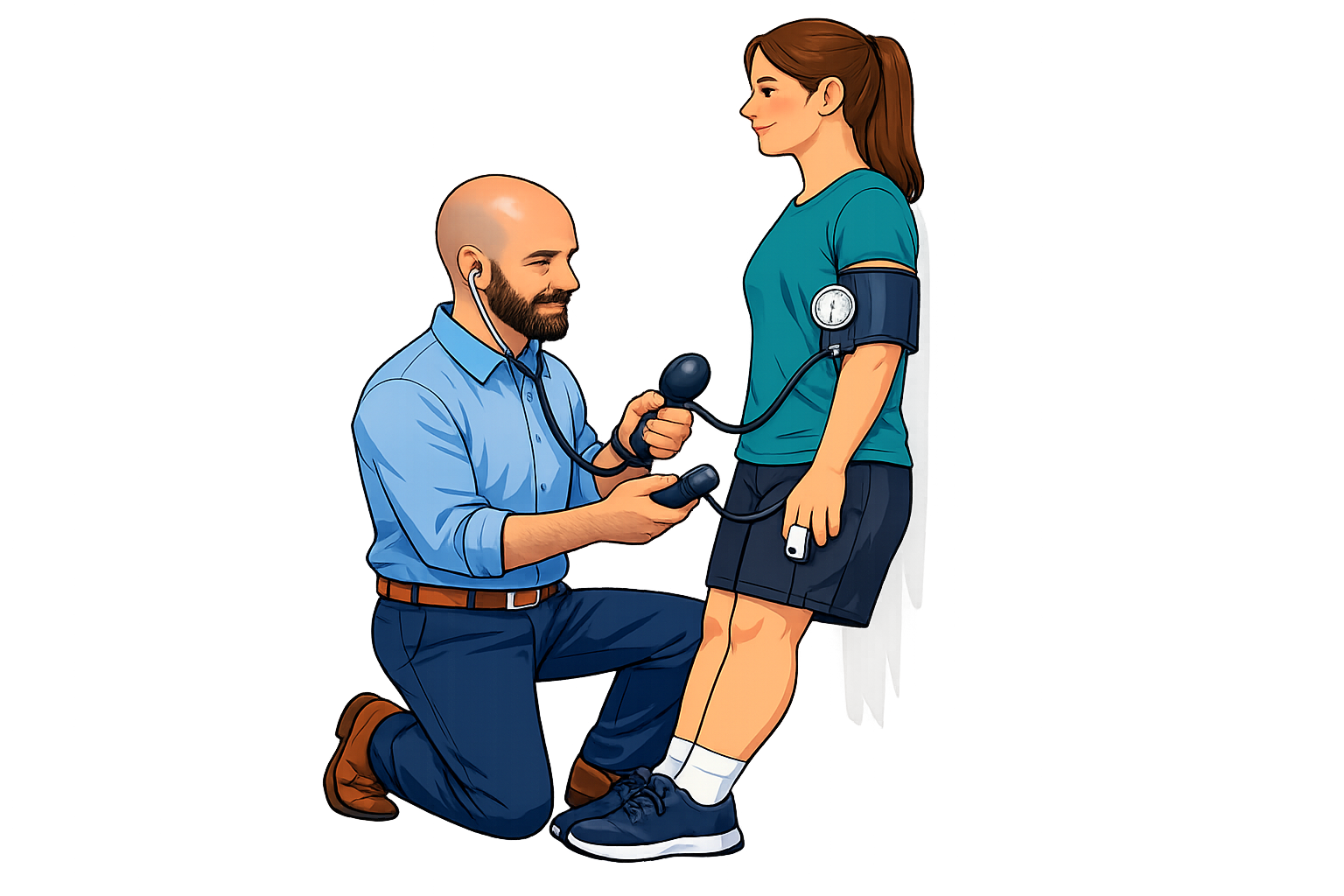
We help patients understand their condition and triggers through a detailed assessment and examination process including - importantly - a NASA Lean Test which is a common test used to aid in the diagnosis of POTS. This is in conjunction with other physical and neurological tests which are all aimed to help us figure out how to manage each individual.
-
POTS symptoms overlap with a wide range of other conditions, including vestibular disorders, anxiety, migraine, chronic fatigue syndromes, and cardiovascular disease. The term “dizziness” is frequently used imprecisely, which can obscure whether symptoms are orthostatic, vestibular, or neurological in origin.
A structured assessment of posture-dependent symptoms and objective neurological and cardiorespiratory responses is essential to avoid misdiagnosis.
-
We will design a specific home rehabilitation program to help with the management of your condition. The goal here is to retrain your nervous system to be able to handle upright postures with appropriate physiological responses.
-
POTS is a complex multi-system disorder which often requires management from a range of health professionals. Where appropriate we will write to your other allied health or medical specialists to inform them of our findings and invite their input on. a plan forward.
POTS Management Strategies
No two cases of POTS are ever the same - everyone brings their own unique circumstances and history which influence their presentation in different ways. However, these are common strategies often recommended to patients and can serve as a starting guide. Please note this is for educational purposes only and should be discussed with your treating medical practitioner.
-
Many people with POTS are advised to:
Drink 2–3 litres of fluid per day
Increase dietary salt intake, if medically appropriate
This can help support blood volume and reduce orthostatic symptoms. Always follow guidance from your healthcare provider.
-
Compression stockings or garments—particularly those that extend from the feet to the waist or include abdominal compression—may help reduce blood pooling in the legs when standing.
-
Some people find symptoms worsen after eating. Helpful strategies can include:
Eating smaller, more frequent meals
Reducing very large or high-carbohydrate meals
Ensuring adequate nutrition if appetite or intake is affected
-
Physical activity can be beneficial, but needs to be approached carefully:
Start with seated or recumbent exercise rather than upright exercise
Progress slowly based on tolerance
Avoid pushing through significant symptom flare-ups
Exercise programs are best guided by clinicians familiar with POTS.
-
Common symptom triggers include:
Hot environments or hot showers
Prolonged standing
Alcohol and excess caffeine
Identifying and minimising personal triggers can help reduce symptom flares.
-
Stress and poor sleep can worsen autonomic symptoms. Some people benefit from:
Breathing or relaxation techniques
Pacing daily activities
Psychological support to manage the impact of chronic symptoms

What Does a POTS Assessment Involve?
-
![]()
Thorough History
We take time to understand how your symptoms behave day-to-day, including what triggers them, what improves them, and how they relate to posture, activity, heat, illness, and recovery. This helps us identify patterns consistent with orthostatic intolerance and rule out alternative causes.
-
![]()
Outcome Measures
Standardised questionnaires may be used to track symptoms such as fatigue, dizziness, and functional tolerance. These measures help establish a baseline and allow us to monitor changes over time in a consistent, objective way.
-
![]()
Psychological Screening
Living with chronic symptoms can affect mood, stress levels, and coping capacity. Brief screening helps us identify whether psychological factors may be contributing to symptom burden or recovery, and ensures appropriate support is considered when needed.
-
![]()
Orthostatic Screening
We assess heart rate, blood pressure, and symptoms in different postures, including structured standing tests such as the NASA Lean Test. This helps determine whether symptoms are related to abnormal cardiovascular responses to upright posture.
-
![]()
Vestibular/Balance Testing
Because “dizziness” can have many causes, we screen for signs of vestibular or balance disorders. This allows us to distinguish orthostatic symptoms from inner-ear or neurological conditions that require different management.
-
![]()
Communication with your team
If findings suggest the need for further medical investigation or specialist input, we provide clear recommendations and can liaise with your GP or specialist. Our role is to support accurate diagnosis and ensure you are guided to the most appropriate care pathway.





The NASA Lean Test
Originally developed by NASA as a way of studying astronauts’ response to microgravity, the NASA Lean Test is a simple, 10-minute test for Orthostatic Intolerance using heart rate and blood pressure changes when moving from lying down to standing up.
You’ll start by lying down and resting quietly while baseline measurements are taken. You’ll then stand with your shoulders supported against a wall and your feet slightly away from it. This position helps standardise the test and reduce unnecessary muscle activity.
While you remain standing, we monitor your heart rate, blood pressure, and symptoms over several minutes. You’ll be asked to let us know how you’re feeling throughout the test.
If you become very uncomfortable or feel faint, the test is stopped early and you’ll be assisted to sit or lie down.
The results help us understand whether your symptoms may be related to orthostatic intolerance and whether further medical investigation or referral is appropriate.
-
This pattern involves an exaggerated “fight-or-flight” response on standing. People often describe:
Marked palpitations and “adrenaline surges”
Tremor/shakiness, anxiety-like sensations
Feeling wired, flushed, or overstimulated when upright
Some patients may show higher standing norepinephrine and sometimes a tendency toward higher BP when upright.
-
This pattern is linked to impaired nerve control of blood vessel tightening, especially in the legs. If vessels don’t constrict effectively on standing, more blood pools in the lower body and the heart rate rises to compensate.
Common features can include:
Pronounced leg pooling (heavy legs, discoloration)
Orthostatic symptoms that are strongly posture-dependent
Evidence of small-fiber/autonomic involvement in some patients (not all)
-
In this pattern, the body has less circulating blood volume than expected, so standing leads to reduced return of blood to the heart, triggering compensatory tachycardia.
People often report:
Symptoms worsened by dehydration, heat, illness, or after exertion
Improvement with strategies aimed at volume support (as directed by their medical team)
Many (not all) people with POTS show evidence consistent with reduced plasma volume and/or altered volume regulation.
-
Some individuals experience overlapping autonomic and vestibular features, requiring careful clinical reasoning and staged assessment.
Correctly identifying the dominant mechanism matters, as management pathways differ significantly.
POTS Subtypes
We’re here to help
Whether you’re looking for help with diagnosis or management of POTS, we can help you navigate your way through this journey. Make an appointment using the link below and let’s get to work.
Visit Us
1 Woodland St, Essendon (opposite Strathmore train station)
Hours
Monday-Saturday.
By appointment only.
Phone
0448 576 174