

Low back Pain
Experienced by 1 in 6 Australians. Expertly managed by Cervus Allied Health.

What is it?
Low back pain is the term given to any pain between the lower rib margins and the buttock creases. Commonly accompanied by pain which radiates down one or both legs, it occurs in episodes and is known to recur. It can feel like a dull ache, a sharp/shooting pain and might be accompanied by burning or tingling sensations.

Who gets it?
In short? Everyone. Research suggests that 75% of the population will experience low back pain at some point in their life.
Low back pain is most common in working-age adults, as well as people who are overweight, smoke and/or have low levels of physical activity. It is also more common in people with other health conditions, such as asthma, diabetes, headache and certain psychological conditions.

What causes low back pain?
Contrary to popular belief, most cases of low back pain have no single specific cause. There are of course exceptions - sprains and strains, impact injuries such as falls or car accidents, or acute injuries to the spinal discs which can irritate surrounding muscles and nerves. However, most people with low back pain describe a slow build up of discomfort over time rather than any disastrous event.
Commonly, we see poor spinal movement control and increased stiffness in people suffering from low back pain.

Let’s talk treatment options
The treatment options for low back pain are extensive, and the most effective approach depends largely on the type of pain you’re suffering from.
Firstly, a thorough understanding of what is causing the problem is the most important step. Research is pretty clear that when people have a better understanding of their injury they experience less stress and are more empowered to take back control (no pun intended).
Chiropractic care for low back pain has consistently demonstrated excellent results when compared to other forms of treatment in the available research. This includes tools like spinal manipulation, soft tissue therapies, dry needling and exercise rehabilitation, as well as advice around self-management and modifying your movements and activities while you heal. We select these tools based on the presentation and preferences of the person in front of us - there is no one-size-fits-all approach.

I have low back pain. What can I do right now?
While debate remains about ice vs heat, a good rule of thumb is that in the first day or two after an injury ice can be helpful to reduce pain and inflammation (10 minutes on and 10 minutes off, repeat as often as you like). After this, we recommend people use whatever they find more comfortable. If your back is feeling stiff first thing in the morning, then a heat pack is probably a better option for you.
Take note of the kinds of movements causing you trouble and avoid poking the bear, so to speak. Certain stretches, use of foam rollers and particular exercises can also reduce the pain and improve your pain-free range of movement.
Above all - keep moving! It’s abundantly clear that movement is one of the keys to keeping spines health, even when they’re injured. If you’re not sure where to start then a short walk is a great option. If even this is presenting a challenge then it’s definitely time for some professional help.
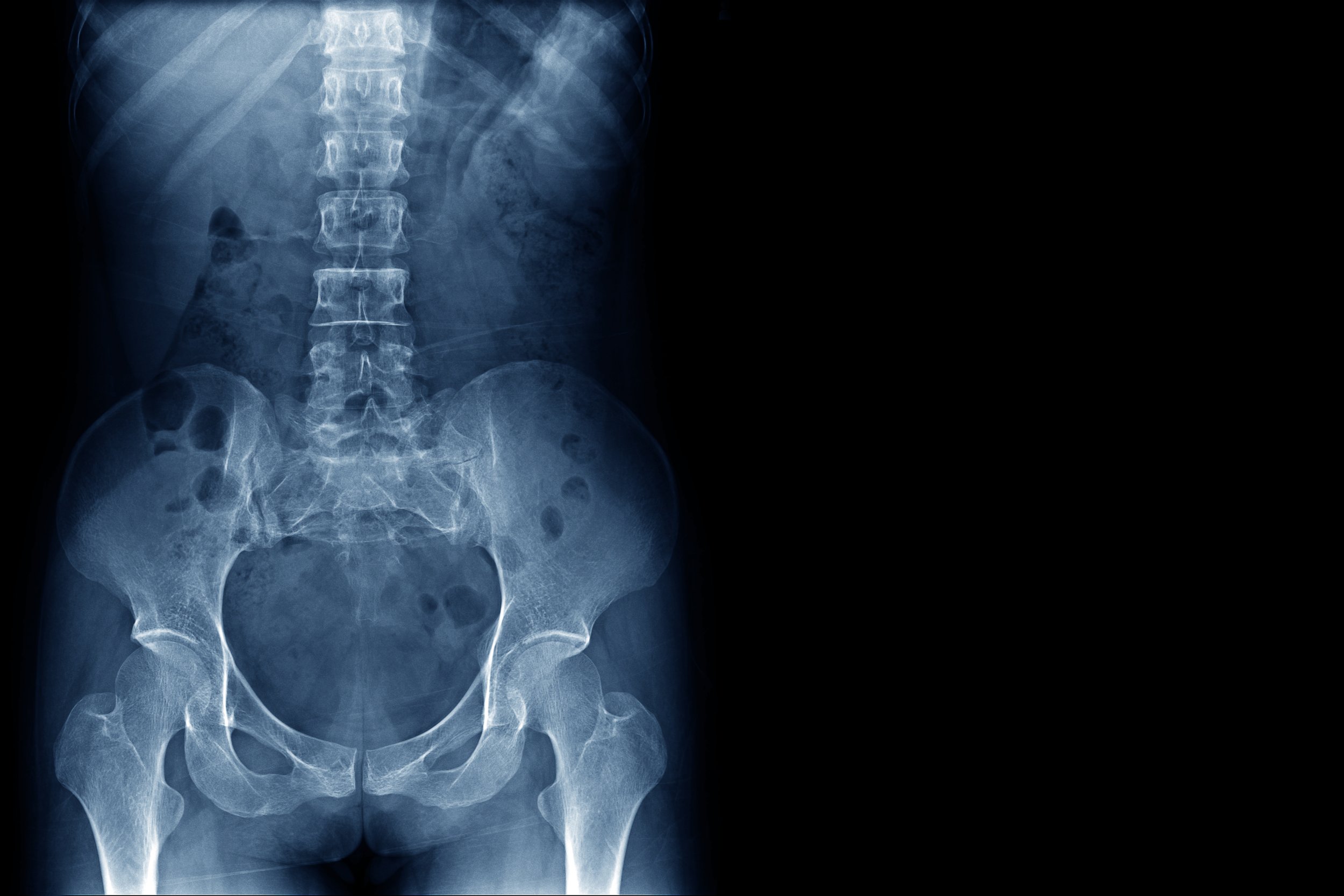
Do I need X-rays or an MRI?
In most cases, no. Research has consistently pointed out that imaging for low back pain does not increase the safety or effectiveness of treatment unless certain factors are present. If we suspect a fracture or disc injury then imaging could be useful, but for most people this is not the case.
This is good news - it means you can avoid paying for unnecessary services and start treatment earlier!
Need some professional help? We do this everyday.
References:
Hartvigsen J, Hancock MJ, Kongsted A, et al. What low back pain is and why we need to pay attention. Lancet. 2018;391(10137):2356-2367.
Foster NE, Anema JR, Cherkin D, et al. Prevention and treatment of low back pain: evidence, challenges, and promising directions. Lancet. 2018;391(10137):2368-2383.
https://www.aihw.gov.au/reports/chronic-musculoskeletal-conditions/musculoskeletal-conditions/contents/back-problems